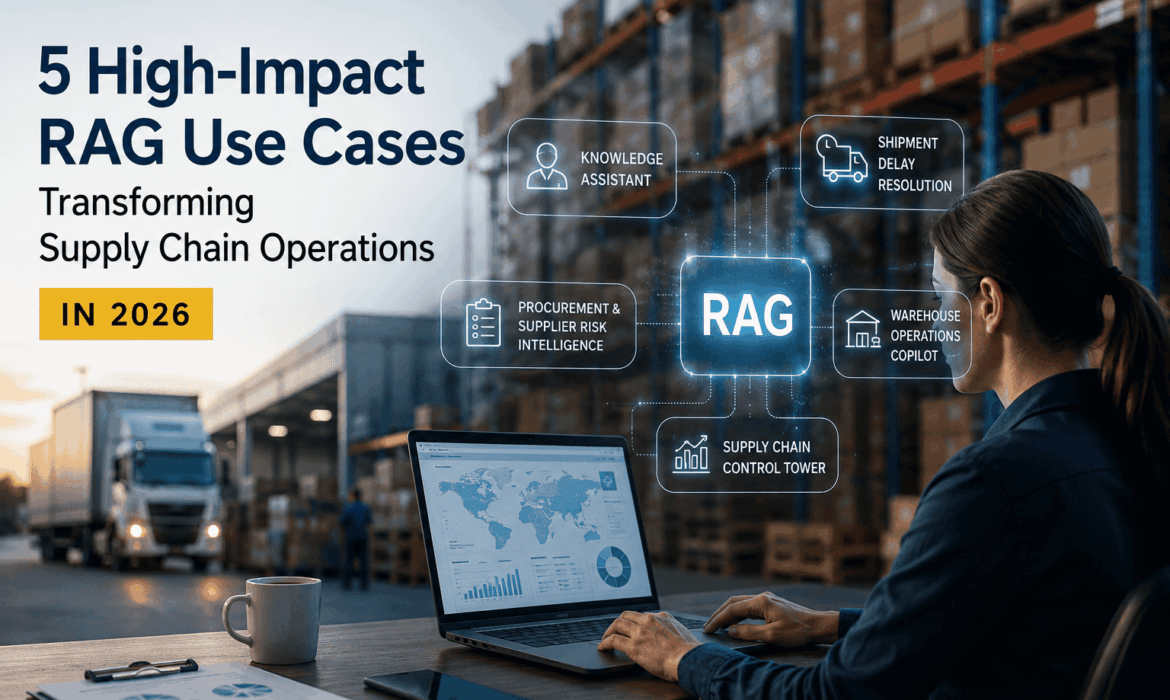
5 High-Impact RAG Use Cases Transforming Supply Chain Operations in 2026
Supply chains are becoming more complex due to supplier disruptions, rising logistics costs, fragmented ERP systems, and growing customer expectations. Most enterprises already have the data they need across SOPs, shipment records, procurement systems, emails, and warehouse platforms. The challenge is accessing and using that information efficiently.
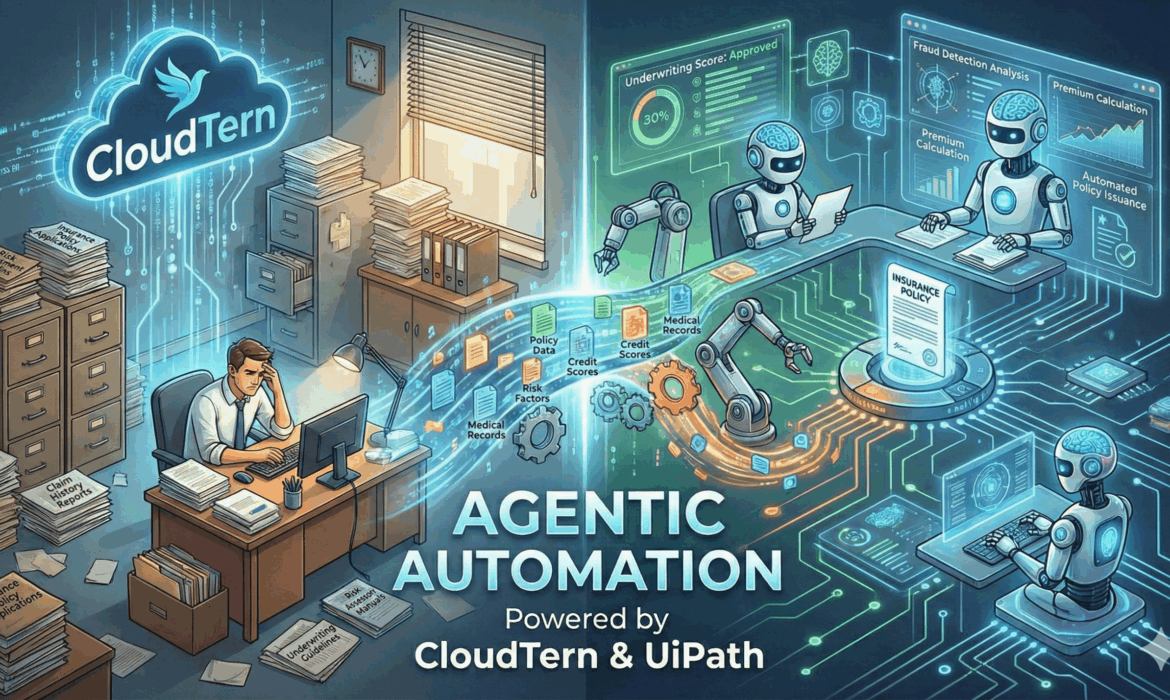
Reinventing Insurance Underwriting with Agentic Automation Powered by CloudTern & UiPath
The insurance industry is undergoing its most significant transformation in decades. Rising customer expectations, regulatory complexity, and massive volumes of unstructured data have pushed underwriting teams to their limits. Traditional RPA and rule-based automation helped but today’s underwriting landscape demands something more adaptive, more intelligent, and more autonomous.
Top 10 AI Workflow Automation Platforms in 2025
Discover the top AI workflow automation platforms, categorized for small businesses, mid-sized companies, and large enterprises, to streamline your operations.

Transforming Talent Acquisition with Gen AI: A Competitive Advantage for Modern Organizations
In today’s competitive job market, winning top talent means recruiting faster, smarter, and at scale. Traditional systems fall short in delivering personalized, data-driven hiring. Generative AI is revolutionizing talent acquisition by using advanced AI models, especially large language models, to generate, understand, and optimize recruitment processes.

Unlocking Efficiency: How AI Can Eliminate Workflow Bottlenecks in Supply Chain
From unexpected delays to inaccurate forecasts, bottlenecks in supply chain workflows often arise not from major breakdowns, but from small, unnoticed inefficiencies compounded over time. The result? Slower delivery cycles, rising costs, and missed opportunities.
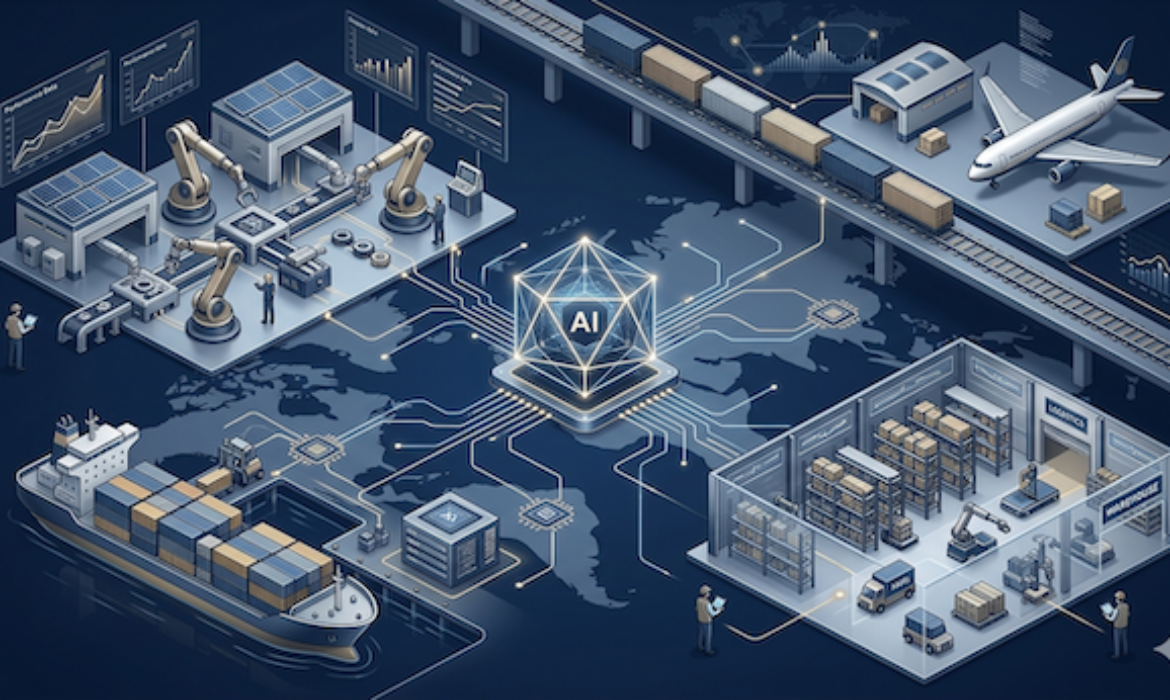
Mastering AI in Supply Chains: A Guide to Successful Implementation
Artificial Intelligence has become a vital component of supply chain management, driving transformation. From predictive analytics to automated inventory optimization, AI is revolutionizing the way businesses forecast, plan, and deliver. But successful AI implementation isn’t a one-size-fits-all solution; it requires careful preparation and a strong operational focus.
Mastering Supply Chain Efficiency: The Strategic Edge of AI
Supply chain management has always been a complex operation, balancing multiple moving parts across procurement, manufacturing, logistics, and delivery. Traditionally, businesses have struggled with challenges like limited visibility across the supply chain, inaccurate demand forecasting, delayed responses to disruptions, rising operational costs, and inefficient manual processes.
Harnessing AI: A Strategic Advantage For Today’s Business Leaders
In today’s fast-paced digital economy, artificial intelligence is no longer a futuristic concept – it’s a present-day differentiator. Forward-thinking leaders are increasingly viewing AI not just as a tool, but as a strategic imperative that drives efficiency & innovation.
AI-Powered Workflow Automation For Healthcare Efficiency
In an era where healthcare organizations are expected to deliver faster, more personalized care with tighter budgets & fewer resources, operational efficiency is no longer a luxury; it’s a necessity.
Automating Customer Service: The Role of AI in Modern Contact Center
Imagine a world where customer service inquiries are resolved instantly and available 24/7, eliminating the frustration of waiting on hold. As customer expectations grow in today’s fast-paced digital landscape, organizations are increasingly looking for innovative solutions to enhance efficiency and satisfaction. Automating customer service has emerged as a key strategy in this evolution, with artificial intelligence (AI) at the forefront of modern contact centers.
AI technologies, including chatbots, natural language processing, and predictive analytics, empower businesses to streamline their operations, reduce response times, and deliver personalized experiences. By adopting these AI-driven solutions, companies are transforming the way they interact with customers and setting new standards for service excellence. This shift not only drives greater customer loyalty but also enhances overall operational effectiveness, ensuring that businesses remain competitive in an ever-changing market.
The Evolution of Contact Centers: From Manual to AI-Driven Operations
The transformation of contact centers has shifted from traditional manual processes to sophisticated AI-driven systems. In the past, human agents handled customer inquiries over the phone, often resulting in long wait times and inconsistent service due to high call volumes. While automatic call distribution and interactive voice response (IVR) technologies improved efficiency, they still relied heavily on human involvement, demonstrating the need for greater automation in customer service.
Currently, AI technologies have revolutionized contact centers by significantly enhancing customer experience and operational efficiency. By utilizing natural language processing, predictive analytics, and machine learning, contact centers can automate routine inquiries and provide personalized assistance around the clock through AI chatbots and virtual assistants. This shift allows human agents to focus on more complex issues, streamlining processes and improving response times, ultimately leading to higher customer satisfaction. As AI continues to evolve, contact centers are set to further enhance their capabilities, helping organizations succeed in a competitive environment.
Key AI Technologies Powering Modern Contact Centers
Modern contact centers are transforming customer service with AI-driven technologies. Natural Language Processing (NLP) empowers chatbots and virtual assistants to understand and engage in human-like conversations. These intelligent tools efficiently handle inquiries, provide instant information, and complete transactions without human intervention. By reducing wait times and automating routine tasks, AI enhances speed and accuracy in customer support. Voice and text interactions feel seamless, ensuring a smooth and engaging experience. As a result, businesses can deliver faster, more responsive service while optimizing resources.
Predictive analytics takes customer interactions to the next level by forecasting needs before they arise. By analyzing past data, AI helps agents proactively address issues like billing concerns or service disruptions. This foresight enables personalized interactions that improve customer satisfaction and loyalty. Real-time speech recognition and sentiment analysis further enhance quality assurance and agent performance. These AI capabilities refine training, ensuring teams are better equipped to handle complex requests. As AI evolves, it continues to revolutionize contact centers, making them more agile, intelligent, and customer-focused.
The Advantages of AI in Contact Centers: Cost Savings and Scalability
AI adoption in contact centers boosts cost efficiency and scalability by automating tasks like customer inquiries, transactions, and scheduling. This reduces workforce needs, cutting operational costs while optimizing workflow through intelligent call routing.
AI also enables seamless scaling to match fluctuating demand. During peak periods, AI chatbots efficiently manage surges, ensuring fast response times and consistent service quality. This adaptability enhances customer satisfaction and loyalty while helping businesses stay competitive, improve productivity, and respond swiftly to market changes.
Boosting Agent Productivity and Reducing Workload with AI
AI is revolutionizing workplace productivity by automating routine tasks like data entry, customer inquiries, and report generation. This allows agents to focus on complex issues requiring critical thinking and creativity, improving efficiency and service quality. AI chatbots handle basic queries, freeing up agents for more meaningful work that adds value to their organizations.
Additionally, AI-driven analytics provide real-time insights, helping agents make informed decisions and personalize customer interactions. By streamlining workloads and enhancing outcomes, AI empowers employees to maximize their skills while reducing repetitive tasks. As AI advances, it continues to create a more efficient, dynamic, and responsive workplace.
The Future of AI in Contact Centers: Trends and Innovations
AI is poised to transform contact centers by introducing chatbots and voice assistants that facilitate immediate automated responses. This enhances user experiences while allowing human agents to concentrate on complex issues, providing a more seamless service.
Moreover, AI advancements will improve operational efficiency in contact centers, optimizing processes and promoting better resource management and cost savings. Continuous innovations in AI technology will keep contact centers adaptable to customer needs, enabling businesses to enhance service capabilities and maintain a competitive edge in a fast-paced market.